

Massimo de Angelis, Professor of Political Economy at the University of East London, is one of the leading thinkers on the 'Commons'. In this interview, we explore how shared resources—from air and water to digital spaces—can be managed outside of traditional capitalist structures through community cooperation.
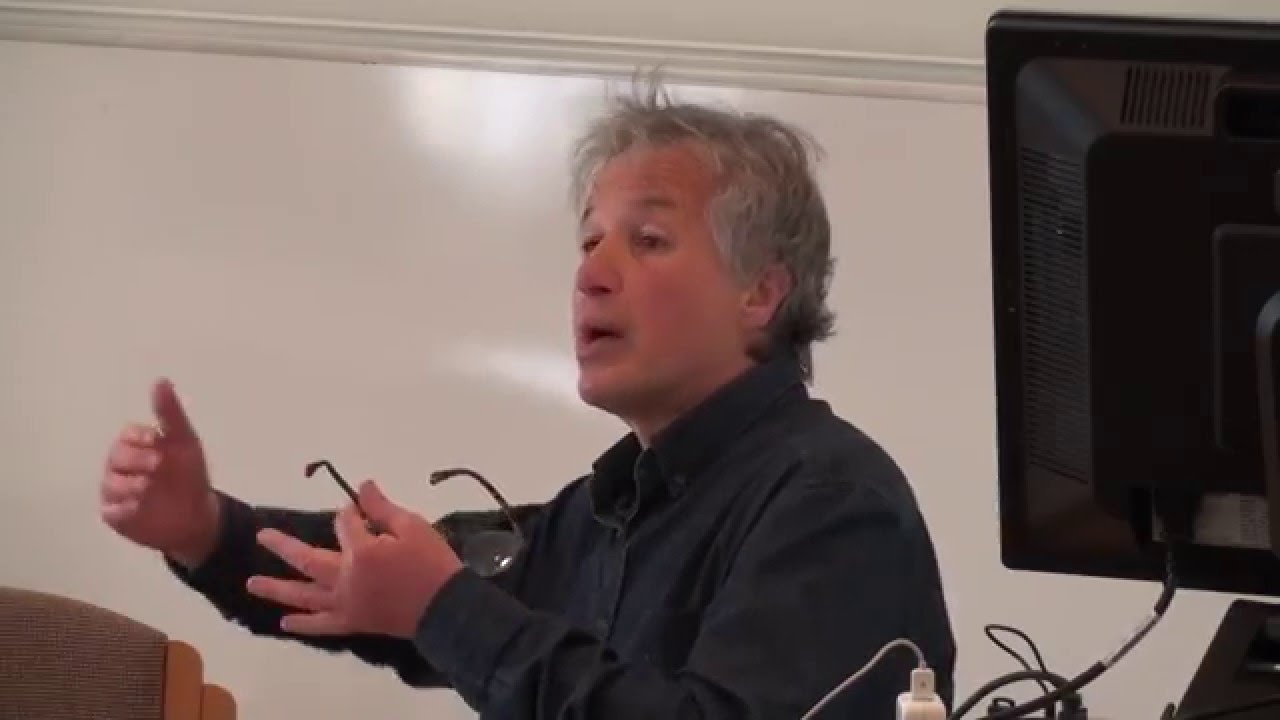
Understanding the Commons
Commons are resources managed by a community through a process called 'commoning'. De Angelis explains that while resources like land or water are often exploited for profit, the Commons model focuses on sustainable use and collective responsibility. 'It is about creating social relations that are not defined by the market,' he emphasizes.
Challenging the Tragedy of the Commons
For a long time, the 'Tragedy of the Commons' suggested that shared resources would inevitably be overused and destroyed. However, referencing the work of Elinor Ostrom, De Angelis points out that communities can and do develop effective rules for management. This includes clear boundaries, local control, and mechanisms for conflict resolution.
Commons as a Social Movement
For De Angelis, the Commons are not just a theoretical economic model but a vital social movement. By reclaiming resources and managing them together, communities can build resilience against global crises like climate change and social inequality. This 'Zebra' approach—prioritizing social well-being over hyper-growth—is essential for a sustainable future.